

How to Choose the Best Commercial Coffee Bean Roaster?
Choosing the right commercial coffee bean roaster is crucial for any coffee business. The quality of roasted coffee directly impacts customer satisfaction and retention. According to the Specialty Coffee Association, over 54% of Americans aged 18 and older drink coffee daily. This trend highlights the demand for high-quality coffee.
When selecting a commercial coffee bean roaster, consider the roaster's capacity and consistency. Busy cafes might need machines that can roast larger batches with uniform results. A study by IBISWorld shows that the coffee roasting industry grew by 5.3% annually over five years. This growth emphasizes the importance of investing in the best equipment.
Not all roasters are created equal. It's essential to test different brands and models. Some may offer advanced features that are not necessary for smaller operations. Additionally, reflecting on maintenance and support services is vital. A roaster might perform well initially but could become challenging to manage over time. Finding balance in quality, capacity, and cost is key to a successful choice.
Understanding Different Types of Commercial Coffee Bean Roasters
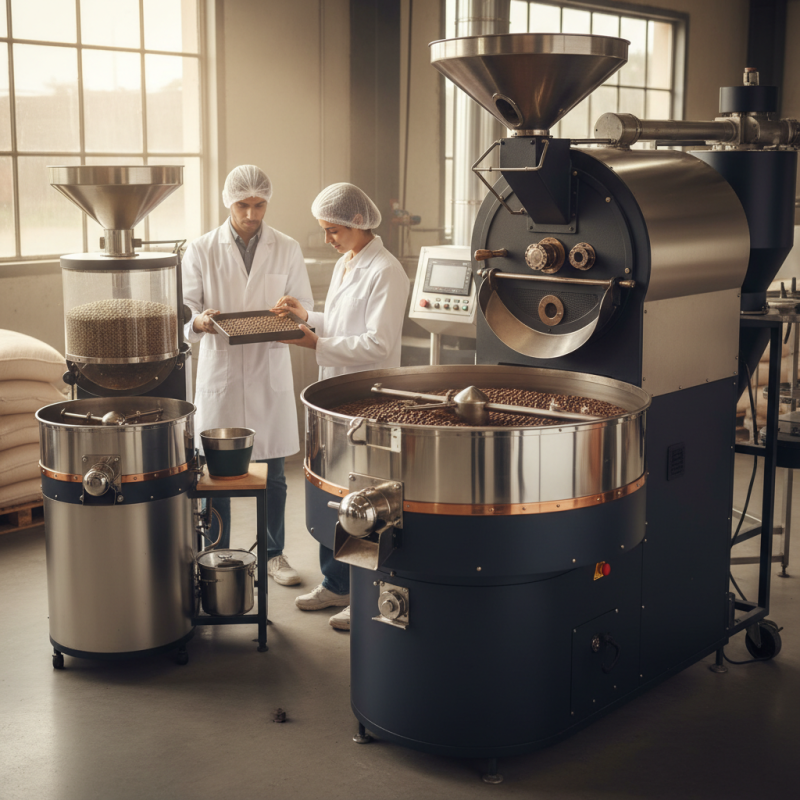
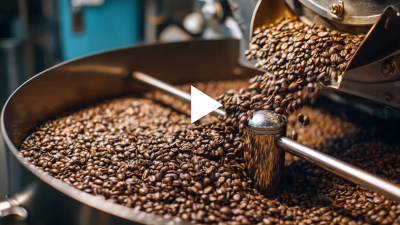
When selecting a commercial coffee bean roaster, understanding the various types is crucial. There are generally three main types: drum roasters, air roasters, and hybrid models. Drum roasters are known for their consistency. They use a rotating drum heated by gas or electricity. This method allows for even roasting and develops rich flavors. But, they can be slow and require more energy.
Air roasters, on the other hand, utilize hot air to roast the beans. This results in a lighter roast and can be quicker than drum roasters. However, maintaining consistency can be challenging. Some beans may roast unevenly. Hybrid roasters attempt to combine the best of both worlds, adding complexity but potentially introducing complication. Choosing the right one depends on your roasting style and desired outcomes.
Consider your business model as well. The scale can heavily influence your choice. Larger operations may lean towards drum roasters for their volume capacity. Smaller cafes might favor the compactness of air roasters. Reflect on your needs. What types of beans do you plan to roast? What flavor profiles are you targeting? This reflection is key to making an informed decision.
How to Choose the Best Commercial Coffee Bean Roaster? - Understanding Different Types of Commercial Coffee Bean Roasters
| Roaster Type | Capacity | Heat Source | Typical Price Range | Best For |
|---|---|---|---|---|
| Drum Roaster | 5 - 100 kg | Gas, Electric | $5,000 - $50,000 | Larger operations, premium coffee shops |
| Air Roaster | 1 - 5 kg | Electric | $1,000 - $5,000 | Small shops, home use |
| Fluid Bed Roaster | 5 - 15 kg | Gas, Electric | $3,000 - $15,000 | Medium-scale operations, experimental roasting |
| Hybrid Roaster | 5 - 20 kg | Gas, Electric | $7,000 - $25,000 | Versatile needs, specialty coffee markets |
| Sample Roaster | 0.5 - 2 kg | Gas, Electric | $2,000 - $10,000 | Coffee bean testing, small batch production |
Evaluating Roaster Capacity and Production Needs
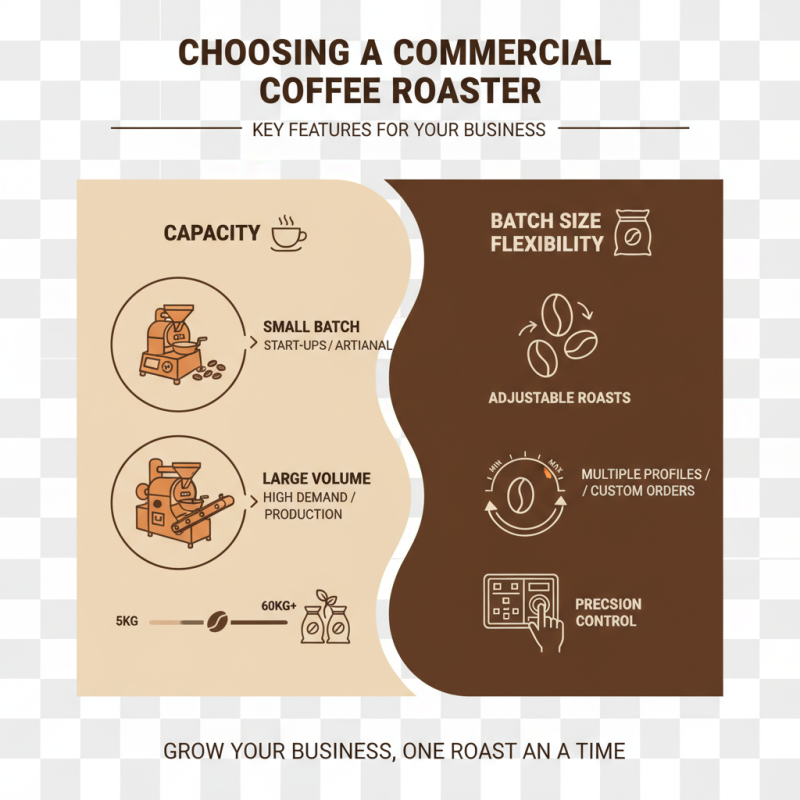
When selecting a commercial coffee bean roaster, understanding roaster capacity is crucial. The capacity determines how much coffee you can produce in a batch. A small café may require less than five kilograms per roast, while a large coffee shop might need more than 20 kilograms. It's essential to assess your production needs.
Consider your customer base. Are you serving a few customers or aiming for mass distribution? A larger roaster may seem attractive, but it occupies more space. Do you have enough room in your facility? Additionally, a large capacity means higher upfront costs. You might end up with equipment that’s underutilized, affecting your investment return.
It’s also important to think about future growth. Will your business expand? Choosing a roaster with some extra capacity can accommodate this, but be realistic about demand. Overestimating needs can lead to waste and inefficiency. Reflect on your current sales volume and project growth cautiously to find that balance. Sometimes, starting small and scaling up works better than going big from the start.
Key Features to Look for in a Coffee Bean Roaster
When selecting a commercial coffee bean roaster, several key features are crucial. The capacity matters significantly. Small roasters are great for starting a business, but larger ones fit high-demand needs better. Pay attention to the batch size. A good roaster should allow flexibility in how many beans you can roast.
Temperature control is another important aspect. A precise control system can make a big difference in flavor. Look for a roaster with easy-to-read displays. Some models offer real-time data monitoring. This can help you adjust your roasting profile efficiently.
Ease of cleaning should not be overlooked. Roasting produces residues, and a design that allows easy access is advantageous. Durability is vital too. Materials should withstand frequent use while remaining safe. Consider how easy parts can be replaced. Ending up with hard-to-repair features can lead to frustration down the road.
Assessing Roasting Profiles and Technology Options
When selecting a commercial coffee bean roaster, assessing roasting profiles is vital. Each coffee variety has unique characteristics. Understanding how temperature and time affect flavor is crucial. Different beans require distinct roasting profiles to optimize their taste. Experimenting with various profiles can lead to surprising outcomes. For example, a darker roast might enhance chocolate notes, while a lighter roast highlights fruity flavors.
Technology options play a significant role in roasting consistency. Modern roasters come with advanced controls and monitoring systems. These features help in maintaining the desired roasting conditions. However, relying too much on technology can be limiting. Sometimes, a bit of manual adjustment brings out the best flavors. It’s essential to balance tech and intuition during the roasting process. A knowledgeable roaster can read the beans, judging scent and color to make adjustments. This synergy can lead to exceptional coffee.
Commercial Coffee Bean Roaster Technology Options
This chart illustrates the market share of different types of commercial coffee bean roasters. The data indicates that drum roasters hold the largest share at 50%, followed by air roasters, hybrid roasters, and fluid bed roasters with 20%, 15%, and 15% respectively.
Budget Considerations for Purchasing a Coffee Bean Roaster
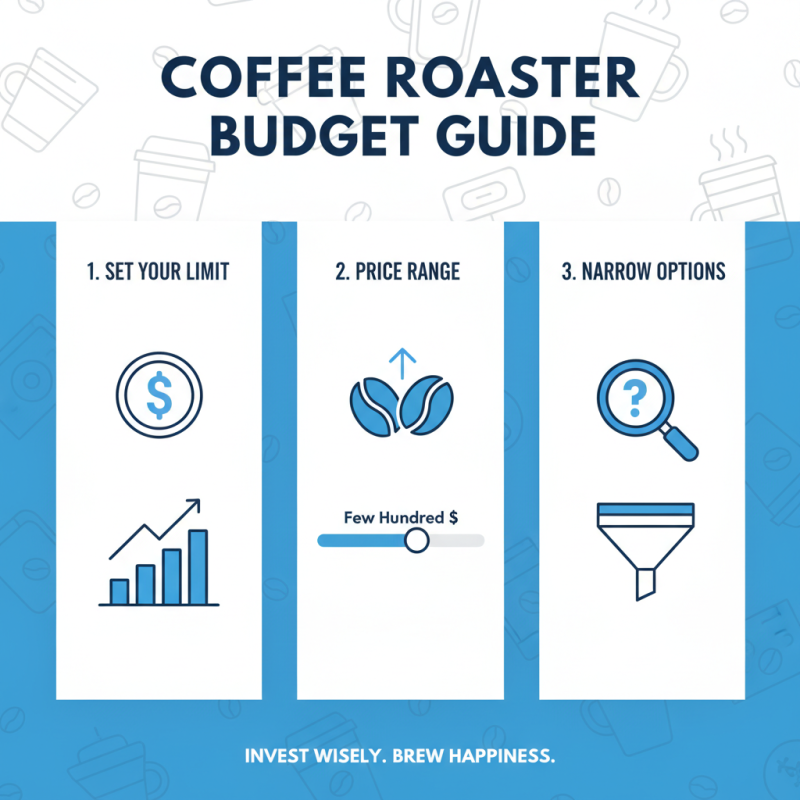
Budgeting for a coffee bean roaster requires careful thought. It's essential to identify how much you're willing to invest. Setting a budget helps narrow down options. Prices can vary widely, from a few hundred to thousands of dollars. This range can be confusing for new buyers.
Consider your roasting needs. A small-scale operation may require less expensive, basic equipment. More significant ventures often need commercial-grade machines. Decide how much you’ll roast daily. This decision directly impacts your budget. Account for additional costs too, like maintenance and supplies. These often get overlooked.
Reflect on your long-term goals. Cheaper models might save money now but can lack durability. Assess what features are must-haves versus nice-to-haves. A quality roaster can elevate your coffee business, but it comes at a cost. Balancing quality and budget is not easy; it’s a journey of trial and error.
Related Posts
-
Unlocking the Advantages of Best Commercial Coffee Roasting Machines for Global Buyers
-
Top 5 Best Commercial Roasters: Standout Examples Driving Industry Growth by 20% in 2023
-
Exploring the Craft of Roasting with Innovative Commercial Coffee Machine Alternatives
-
What Makes the Best Coffee Roaster Stand Out in the Market
-
Your Guide to Choosing the Best Commercial Coffee Bean Roaster Manufacturers: Solutions for Quality and Efficiency
-
2025 Insights into Best Commercial Coffee Roaster Trends and Performance Comparison